
How Does a Pool on a Sloped Block Work?
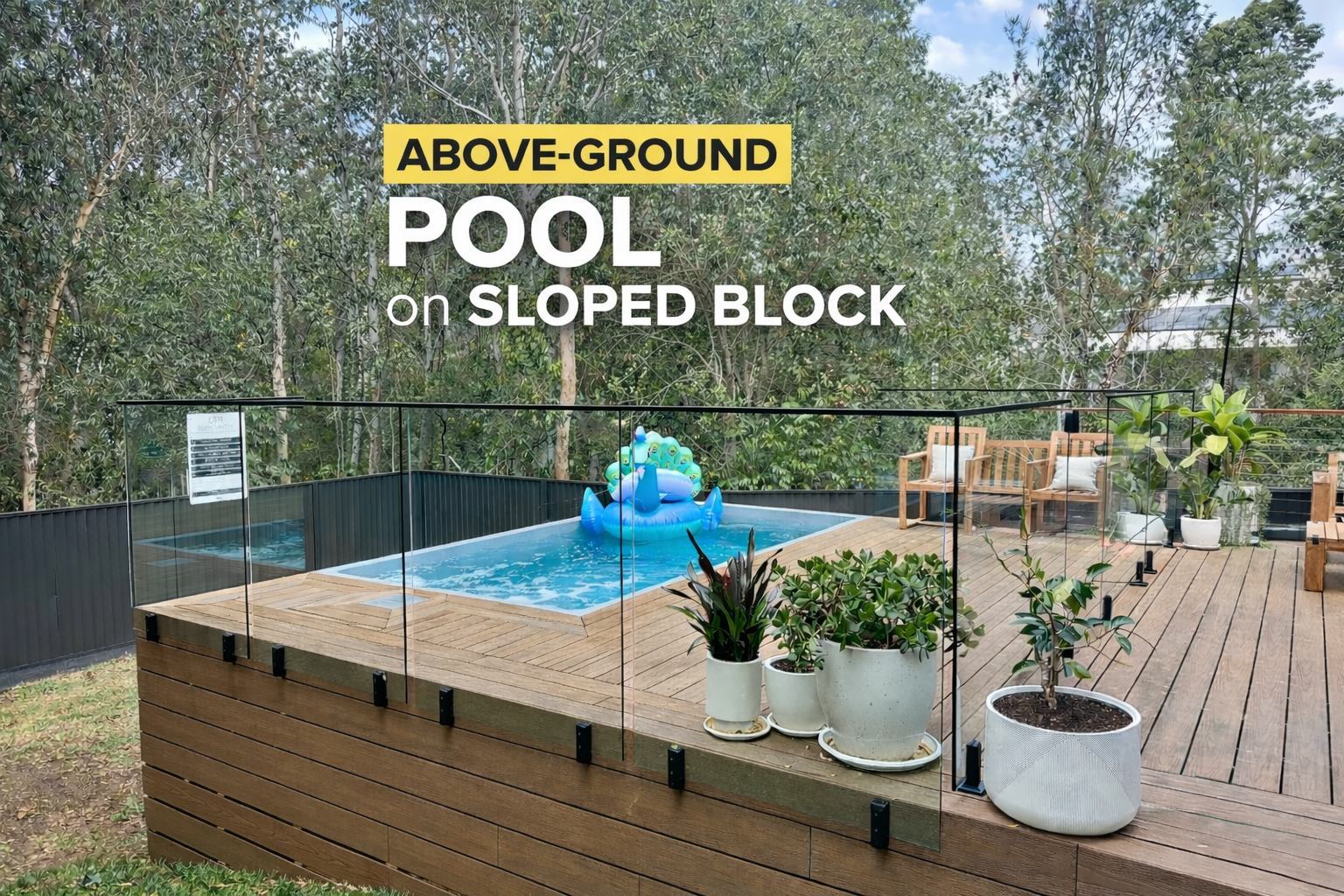
Many homeowners believe a sloped block makes installing a swimming pool impossible—but that’s not true. With the right design and construction approach, pools on sloped blocks are not only achievable, they can look stunning.
In this article, we explain how pools work on sloped land, the construction methods used, and what to consider when planning a pool on a sloping block.
Can You Build a Pool on a Sloped Block?
Yes. Pools can be safely and successfully built on sloped blocks with professional planning and engineering.
In fact, sloped sites often offer unique design opportunities, including elevated pools, infinity edges, and integrated retaining walls.
The key is choosing the right pool type and working with experienced builders who understand structural requirements.
How Are Pools Built on Sloped Land?
There are several construction methods used depending on the degree of slope, soil conditions, and pool design.
Common Approaches
1. Excavation and Cut-and-Fill
Part of the slope is excavated while the remaining soil is compacted to create a level base.
Best suited for:
Mild to moderate slopes
In-ground concrete pools
2. Retaining Walls
Retaining walls are built to support the higher side of the land and create a level pool platform.
Benefits include:
Structural stability
Visual appeal
Better use of uneven land
3. Raised or Semi-Above-Ground Pools
The pool is partially raised above ground level, reducing excavation and construction costs.
This option works well for:
Steeper slopes
Smaller backyards
Plunge pools
Are Plunge Pools Suitable for Sloped Blocks?
Yes. Plunge pools are often ideal for sloped blocks due to their compact size and flexible design.
Advantages include:
Reduced excavation
Lower construction complexity
Easier structural support
Modern, architectural appearance
Plunge pools can be integrated into decks, terraces, or retaining structures for a seamless finish.
Engineering and Drainage Considerations
Proper engineering is essential when building on a slope.
Key factors include:
Soil testing
Structural reinforcement
Effective drainage systems
Groundwater management
Good drainage ensures water does not build up behind retaining walls or under the pool structure, protecting long-term stability.
Does a Sloped Block Increase Pool Costs?
Building on a slope may increase costs due to:
Additional excavation
Retaining walls
Engineering requirements
However, using smart design such as a plunge pool or raised structure can help control costs while still achieving a high-end result.
Council Approvals and Regulations
Pools on sloped blocks often require:
Engineering plans
Council approvals
Compliance with setback and fencing regulations
Working with a local pool specialist ensures all approvals are handled correctly and efficiently.
Design Ideas for Sloped Block Pools
Sloped land opens up creative design possibilities, including:
Elevated pools with views
Infinity-edge plunge pools
Pools integrated with decking and landscaping
Multi-level outdoor living spaces
With the right approach, a sloped block can become a design advantage rather than a limitation.
Frequently Asked Questions
Can any slope support a pool?
Most slopes can support a pool with proper engineering, but steep slopes require careful planning.
Are retaining walls always required?
Not always. It depends on the slope angle, pool type, and design.
Often, yes. Plunge pools reduce excavation and structural complexity.
How long does construction take?
Timelines vary, but proper planning helps avoid delays.
Final Thoughts
A sloped block doesn’t mean you have to give up on your dream pool. With professional design, engineering, and construction, pools on sloped land can be safe, functional, and visually impressive.
If you’re considering a pool on a sloped block, consulting an experienced local pool builder is the best way to explore your options and ensure long-term success.
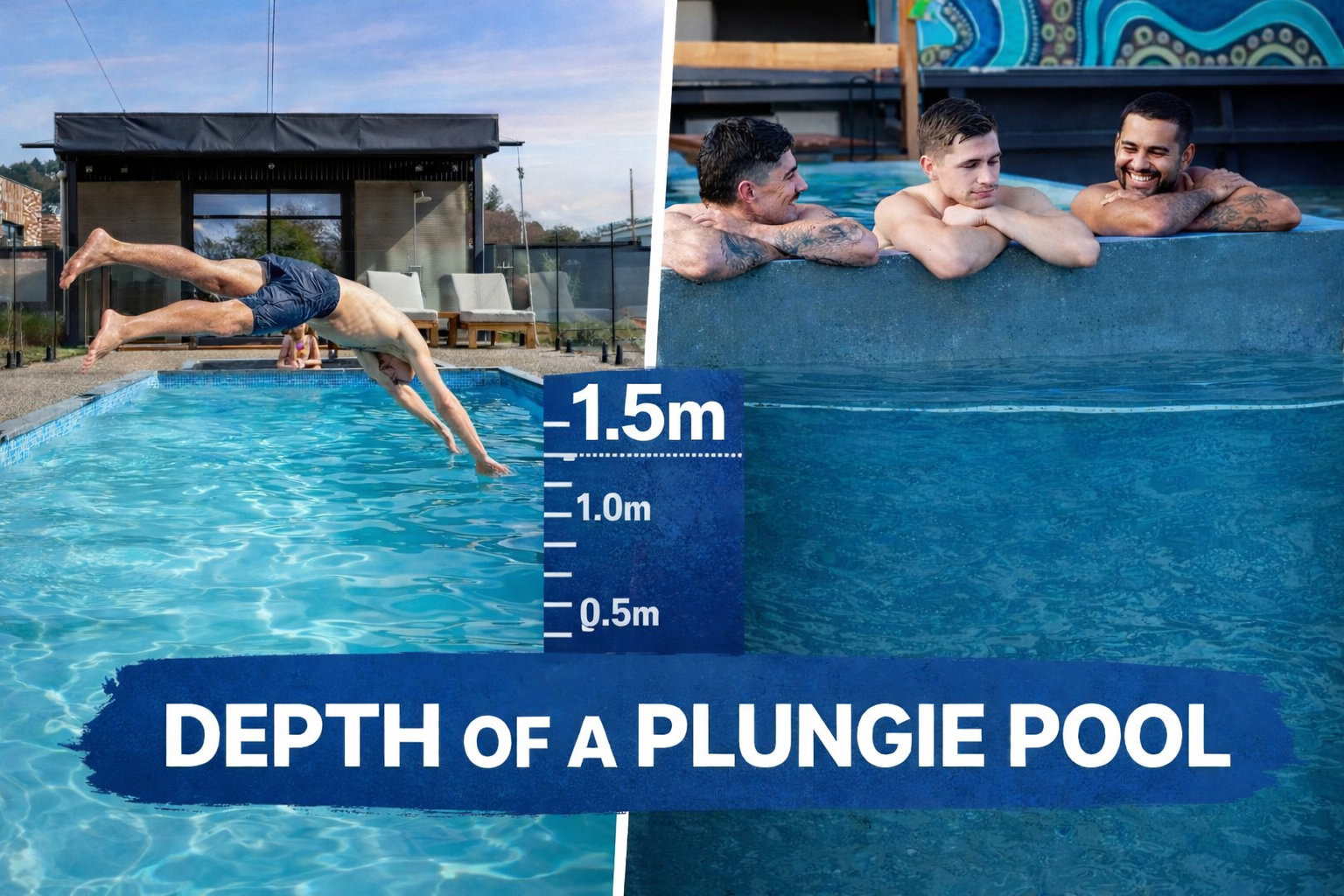
When planning a plunge pool, one of the most common questions homeowners ask is: what is the depth of a plunge pool? With Plungie pools, the answer is simple and consistent. Unlike traditional swimming pools, plunge pools are designed primarily for relaxation, cooling, and soaking rather than swimming laps. To support this purpose, all Plungie pools are manufactured with a uniform depth of 1.5 metres. Plungie Pool Depth Explained Every Plungie pool model has a consistent depth of 1.5m. This standard depth is intentionally designed to provide the ideal balance of comfort, safety, and functionality across all installations. A 1.5m depth allows homeowners to enjoy: Comfortable standing and immersion Effective cooling during warmer months A relaxing soak without excessive depth A versatile pool suitable for most users By offering a single, consistent depth across the entire range, Plungie simplifies the decision-making process while ensuring a reliable and proven design. Are All Plungie Pools the Same Depth? Yes. All Plungie pools are 1.5m deep. Regardless of the model or size selected, Plungie pools maintain the same depth throughout the pool. While designs may include integrated seating or varying layouts, the overall pool depth remains consistent at 1.5 metres. This approach ensures: Predictable usability Simplified installation planning Compliance with common site and council requirements A consistent experience across all Plungie models Why Plungie Uses a Standard 1.5m Depth The 1.5m depth is carefully chosen to: Maximise comfort and relaxation Improve safety and accessibility Reduce unnecessary excavation Suit a wide range of backyard sizes and conditions This standardisation is one of the reasons Plungie pools are a popular choice for modern homes and compact outdoor spaces. Is a 1.5m Plunge Pool Right for You? A 1.5m plunge pool is ideal if you’re looking for: A pool for cooling and relaxing A compact yet functional pool design A depth that suits most adults comfortably A streamlined installation process For personalised advice on placement and installation, a professional Plungie installer can help ensure your pool suits both your lifestyle and your property.
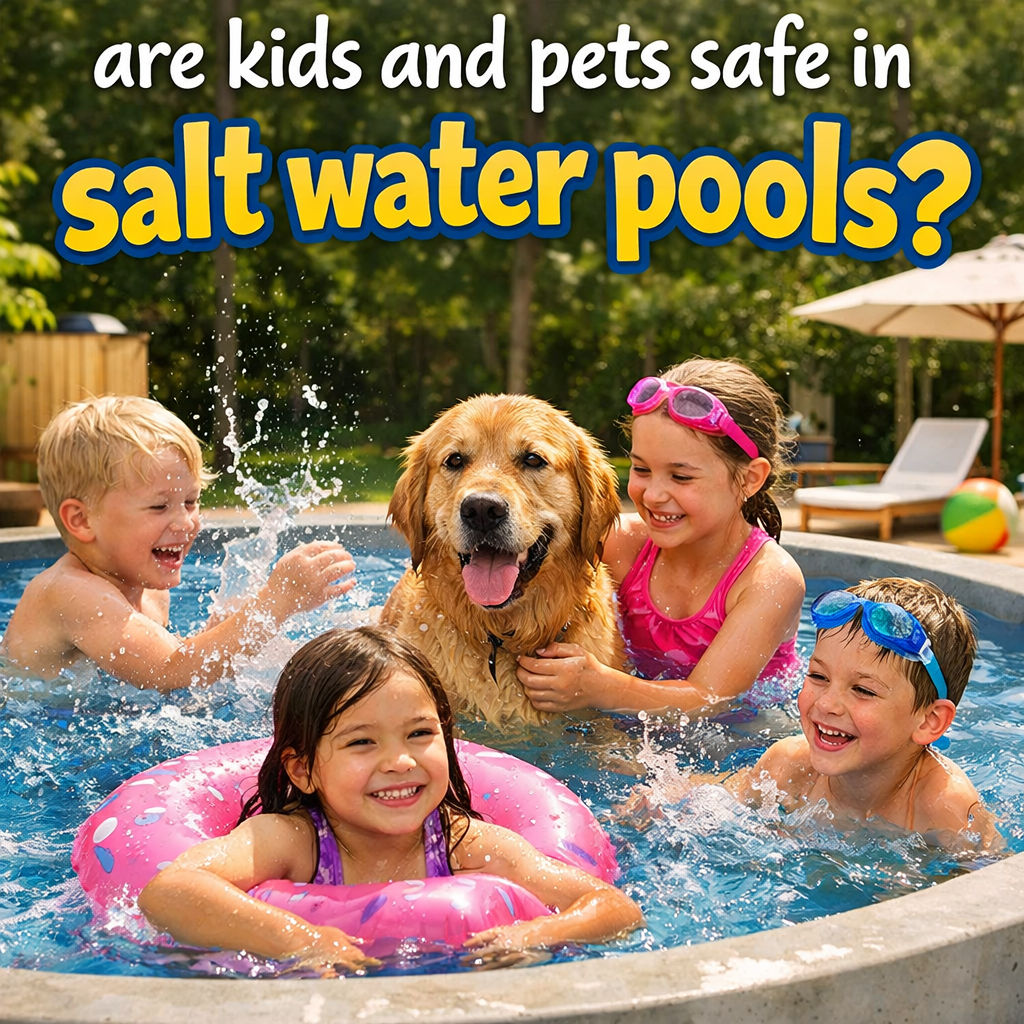
Salt water pools have become increasingly popular with families due to their softer feel and lower chemical use. But a common question many homeowners ask before installing one is: are salt water pools safe for kids and pets? The short answer is yes when properly maintained, salt water pools are safe for both children and pets. Below, we’ll explain how salt water pools work, address common concerns, and outline best practices for keeping everyone safe. What Is a Salt Water Pool? A salt water pool uses a salt chlorinator to generate chlorine from dissolved salt in the water. Unlike traditional pools that require frequent manual chlorine additions, salt water pools continuously produce chlorine at low levels to keep the water clean. It’s important to note that salt water pools are not the same as ocean water. In fact, the salt concentration is much lower—typically about one-tenth the salinity of seawater. Are Salt Water Pools Safe for Kids? Yes, salt water pools are generally considered safe and comfortable for children. Benefits for Children Lower chlorine levels reduce skin and eye irritation Softer water feel, gentler on sensitive skin Less strong “chlorine smell” Fewer harsh chemical fluctuations For families with young children or kids who swim often, salt water pools can be a more comfortable option compared to traditional chlorine pools. Are Salt Water Pools Safe for Pets? Salt water pools are also safe for pets, including dogs, when used responsibly. Key Considerations for Pets Occasional swimming is safe Small amounts of salt water ingestion is generally harmless Pets should always have access to fresh drinking water Rinse pets after swimming to avoid skin dryness Just like with any pool, pets should never be left unsupervised around water. How Salty Is a Salt Water Pool? Many people worry that salt water pools contain high levels of salt—but that’s a common misconception. Salt Levels Compared Salt water pool: ~3,000 ppm Human tears: ~7,000 ppm Ocean water: ~35,000 ppm This low salt level is what makes salt water pools safe and comfortable for both people and animals. Safety Tips for Families with Kids and Pets While salt water pools are safe, proper safety measures are still essential. Pool Safety Best Practices Install compliant pool fencing and self-closing gates Supervise children and pets at all times Teach kids basic water safety Keep pool covers secure when not in use Maintain proper water chemistry Local pool safety regulations must always be followed, regardless of pool type. Can Salt Water Pools Cause Skin or Eye Irritation? In most cases, salt water pools actually cause less irritation than traditional chlorine pools. However, poor maintenance can still lead to issues. To keep water safe: Monitor chlorine output regularly Maintain balanced pH levels Clean salt cells as recommended Routine maintenance ensures a safe and comfortable swimming environment for everyone. Are Salt Water Pools Suitable for Small or Plunge Pools? Yes. Salt water systems are commonly used in plunge pools and small backyard pools. Benefits include: Low maintenance Consistent sanitation Comfortable water quality Ideal for families with limited space A professional pool builder can recommend the right salt chlorination system based on pool size and usage. Final Thoughts Salt water pools are a family-friendly option that offers comfort, safety, and ease of maintenance. When properly designed and maintained, they are safe for children and pets while providing a pleasant swimming experience. If you’re considering a salt water plunge pool and want expert advice on safety, design, and maintenance, speaking with an experienced pool professional can help you make the right choice for your family and home.
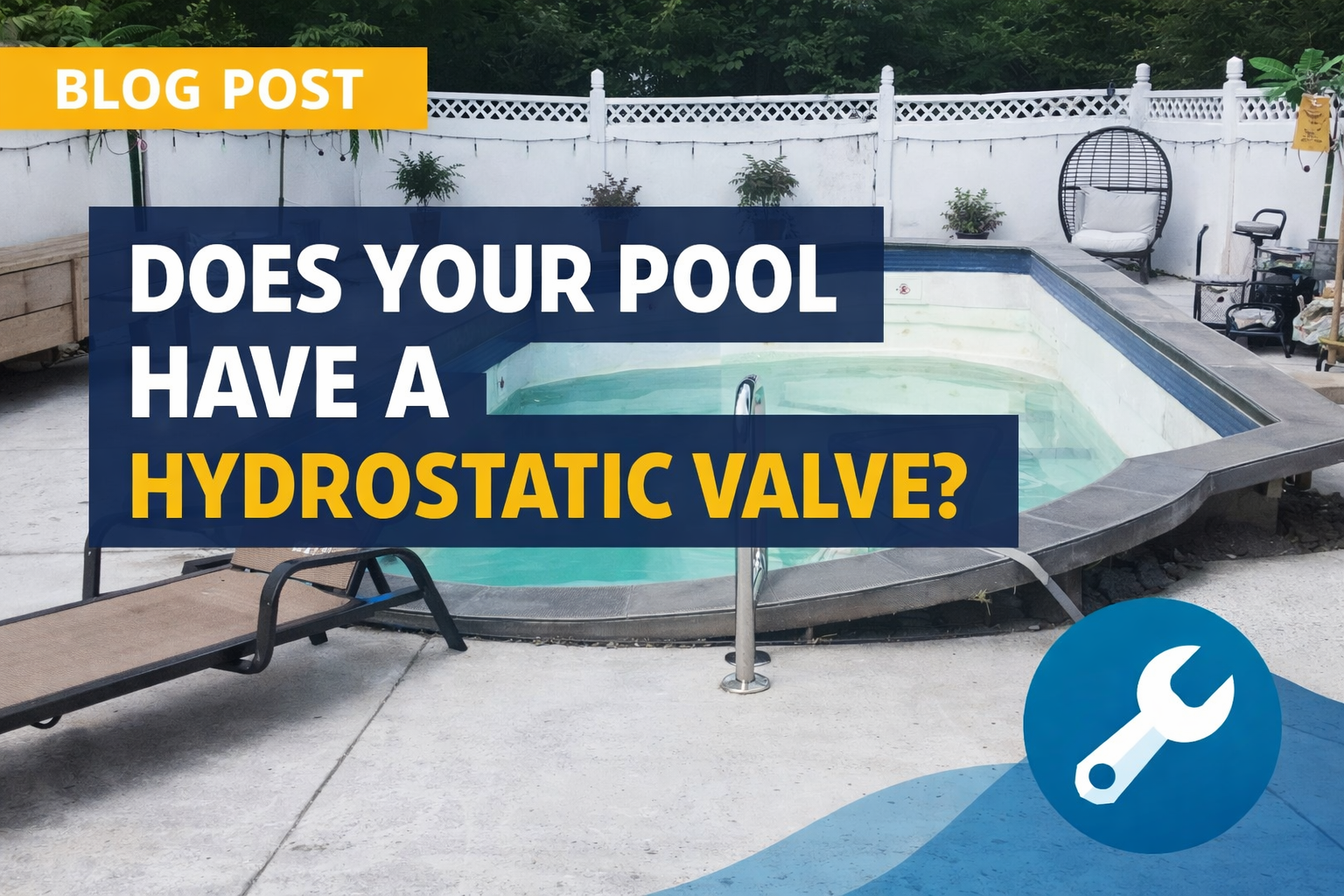
Yes and there’s no dancing around it. Every in-ground swimming pool should have a hydrostatic valve installed in the base. Its job is simple: relieve groundwater pressure from beneath the shell and prevent the pool from “popping” out of the ground. When soil becomes saturated after heavy rain, groundwater builds pressure under the pool. Without a hydrostatic relief valve to equalise that pressure, the shell can lift and when it moves, it’s game over. Some manufacturers try to counteract this risk with so-called anti-floatation beams or oversized footing systems before backfilling. While extra mass can help, it does not eliminate hydrostatic pressure and in certain ground conditions, those methods can fail. Engineering weight alone isn’t a guaranteed safeguard against buoyancy forces. If you own a swimming pool or you’re planning to install one you may have heard the term hydrostatic valve mentioned by pool builders or inspectors. But what exactly is a hydrostatic valve, and does your pool really need one? Understanding this small but critical component can help protect your pool structure and save you from costly repairs in the future. What Is a Hydrostatic Valve? A hydrostatic valve (also known as a hydrostatic relief valve) is a safety feature installed in some swimming pools to relieve groundwater pressure beneath the pool shell. When groundwater builds up under an empty or partially drained pool, it can create enough pressure to cause the pool to lift, crack, or shift. A hydrostatic valve automatically opens to allow water to flow into the pool, equalising pressure and preventing structural damage. Why Is a Hydrostatic Valve Important? Groundwater pressure is one of the most common causes of pool damage, especially in areas with: High water tables Heavy rainfall Coastal or low-lying land On the Gold Coast, fluctuating groundwater levels can increase the risk of hydrostatic pressure, making this valve an important consideration for many pool owners. Without a functioning hydrostatic valve, a pool that is drained for maintenance or renovations can literally pop out of the ground—a problem known as “pool popping.” Do All Pools Have a Hydrostatic Valve? No, not all pools are fitted with hydrostatic valves. Whether your pool has one depends on: The type of pool (concrete, fibreglass, or plunge pool) Local building codes at the time of construction Soil conditions and groundwater levels The builder’s design approach Concrete pools are more likely to include hydrostatic valves, while some fibreglass or smaller plunge pools may use alternative drainage solutions. How Can You Tell If Your Pool Has a Hydrostatic Valve? In most cases, hydrostatic valves are located: At the deepest point of the pool In the main drain at the pool floor To check safely: Look for a round or slotted fitting in the main drain Consult your pool’s construction plans Ask a qualified pool professional to inspect it ⚠️ Important: Never attempt to remove or tamper with a pool drain yourself, especially if the pool is empty. What Happens If a Pool Doesn’t Have One? If a pool lacks a hydrostatic valve—or if the valve is blocked or faulty—it may be vulnerable when: The pool is drained Heavy rain increases groundwater pressure Repairs or renovations are underway Potential risks include: Cracked pool shell Structural movement Complete pool lift Costly repairs or rebuilds This is why professional advice is essential before draining any pool. Do Plunge Pools Need a Hydrostatic Valve? Plunge pools are smaller, but that doesn’t mean hydrostatic pressure isn’t a concern. Depending on: Ground conditions Pool depth Construction method A plunge pool may still require a hydrostatic valve or an alternative pressure-relief system. An experienced plunge pool builder will assess the site and recommend the safest solution. Can a Hydrostatic Valve Be Added Later? In some cases, yes—but it depends on the pool’s construction. Retrofitting a hydrostatic valve into an existing pool can be complex and may involve: Cutting into the pool floor Structural assessment Professional installation If you’re unsure, a pool specialist can advise whether your pool is adequately protected or if upgrades are recommended. When Should You Be Concerned? You should seek professional advice if: You plan to drain your pool You notice cracks or movement Your property has poor drainage Your pool is older and documentation is unclear A quick inspection can prevent major long-term issues. Final Thoughts A hydrostatic valve may be small, but it plays a critical role in protecting your pool from underground water pressure. Whether you already own a pool or are considering a new plunge pool installation, understanding how hydrostatic protection works is essential. If you’re unsure whether your pool has a hydrostatic valve—or whether your site requires one—consulting an experienced pool professional is always the safest option.
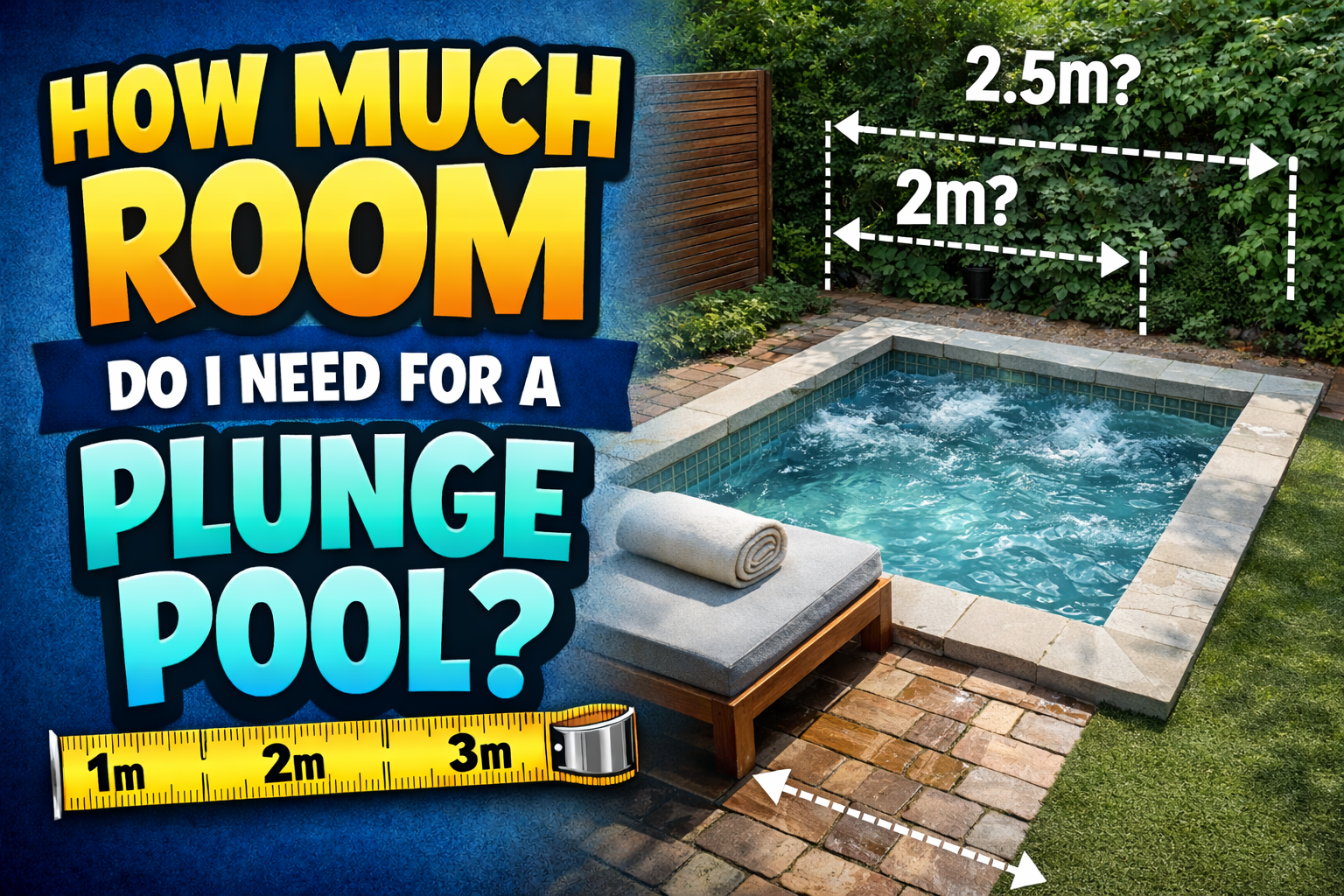
Plunge pools are becoming increasingly popular on the Gold Coast, especially for homeowners who want a stylish swimming option without sacrificing their entire backyard. One of the most common questions we hear is: how much room do you actually need for a plunge pool? The good news is that plunge pools are specifically designed fo r small and compact spaces, making them ideal for modern homes, townhouses, and properties with limited outdoor areas. In this guide, we’ll break down the space requirements, design considerations, and council factors you need to know before installing a plunge pool. What Is a Plunge Pool? A plunge pool is a smaller swimming pool designed for cooling off, relaxing, and light exercise rather than lap swimming. Despite their compact size, plunge pools can be fully customised with luxury features such as seating, heating, water features, and high-end finishes. They are especially popular on the Gold Coast where outdoor living is a key part of the lifestyle. Minimum Space Requirements for a Plunge Pool Typical Plunge Pool Sizes Most plunge pools fall within these size ranges: Length: 2.5m – 4m Width: 2m – 3m Depth: 1.2m – 1.6m In practical terms, this means you can install a plunge pool in a space as small as 6–10 square metres, depending on design and access. This makes plunge pools perfect for: Small backyards Courtyards Narrow side yards Urban or coastal homes How Much Total Space Do You Need? While the pool shell itself may be compact, it’s important to consider additional space requirements, including: Pool surrounds or decking Safety fencing (required by law) Equipment access Council setback regulations In most cases, you should allow: At least 500mm – 1m clearance around the pool Space for compliant fencing and gates Access for installation and future maintenance A professional plunge pool builder can help design a layout that maximises your available space while meeting all safety and council requirements. Can a Plunge Pool Fit in a Small Backyard? Absolutely. In fact, plunge pools are specifically designed for small backyards. Many Gold Coast homeowners choose plunge pools because: They don’t overwhelm outdoor spaces They integrate seamlessly with patios and alfresco areas They leave room for landscaping, seating, or outdoor kitchens With smart design, even compact yards can feel open, modern, and luxurious. Council Regulations and Setbacks on the Gold Coast Before installing a plunge pool, local council regulations must be considered. These typically include: Boundary setbacks Pool fencing compliance Drainage requirements Easements and underground services Requirements can vary depending on: Property zoning Pool size Location on the block Working with an experienced Gold Coast plunge pool specialist ensures all approvals and regulations are handled correctly from the start. Design Options That Save Space If space is limited, certain design features can help maximise functionality without increasing size: Space-Saving Plunge Pool Features Built-in bench seating Integrated steps instead of external stairs Vertical pool walls Raised or partially above-ground designs Narrow rectangular or square layouts These features allow you to enjoy comfort and usability without needing a larger footprint. How Much Space Is Needed for Installation? Installation access is another important factor. Depending on your property, plunge pools can be installed using: Crane access Side access Modular or concrete construction methods One advantage of plunge pools is their flexibility — many can be installed in locations where traditional pools simply aren’t possible. Is a Plunge Pool Right for Your Space? A plunge pool may be the perfect option if: Your backyard is small or narrow You want a low-maintenance pool You prefer relaxation over lap swimming You want to add value without major construction If you’re unsure whether your space is suitable, a site inspection can quickly determine the best size and layout for your property. Frequently Asked Questions What is the smallest plunge pool size? Some plunge pools can be as small as 2.5m x 2m, depending on design and council requirements. Can plunge pools be installed close to boundaries? Yes, but setback rules apply. A professional builder will ensure compliance with local regulations. Do plunge pools add value to a home? Yes. Well-designed plunge pools can significantly enhance property appeal and outdoor living value. Are plunge pools cheaper than standard pools? Generally, yes. Smaller size means reduced construction, water, and maintenance costs. Final Thoughts You don’t need a large backyard to enjoy the benefits of a swimming pool. With smart planning and professional design, a plunge pool can fit into surprisingly small spaces while still delivering comfort, style, and functionality. If you’re considering a plunge pool on the Gold Coast, consulting with an experienced local builder is the best way to determine what’s possible for your property.
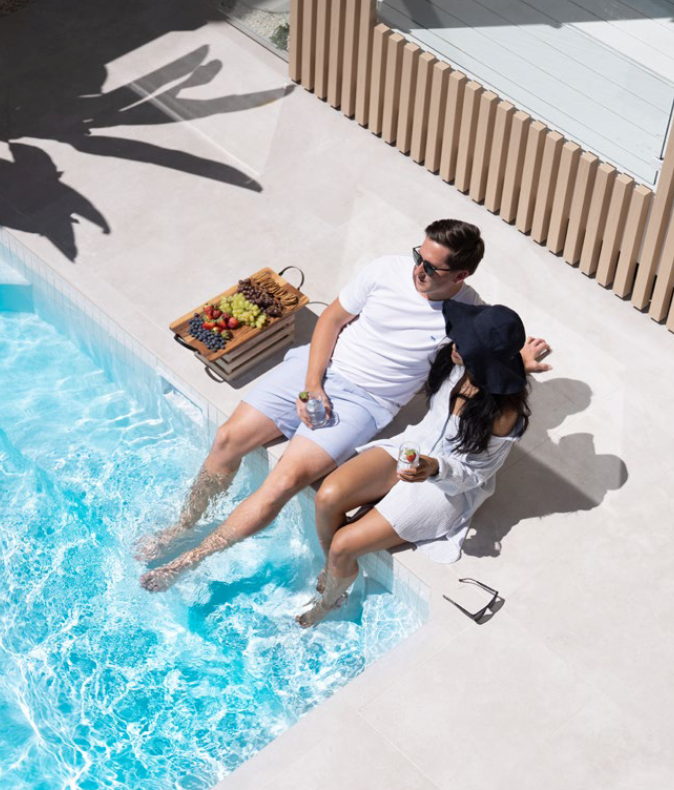
Wondering if a plunge pool is worth it in 2025? Explore the benefits, costs, and why it’s a smart investment for Queensland homeowners.
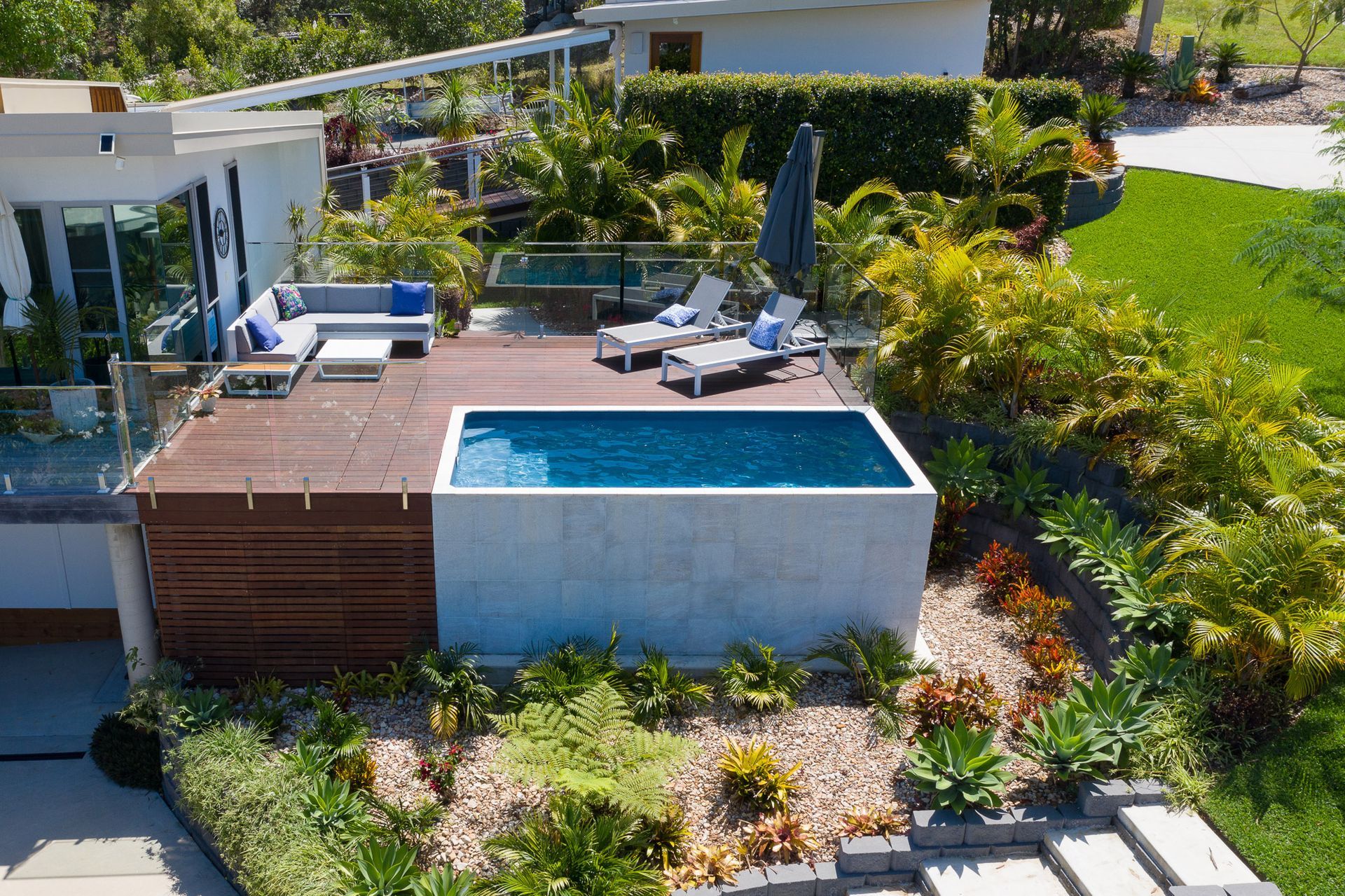
Above-ground plunge pools by Gold Coast Plunge Pools—ideal for sloped yards or decks. Installed across the Gold Coast, Brisbane & Sunshine Coast.
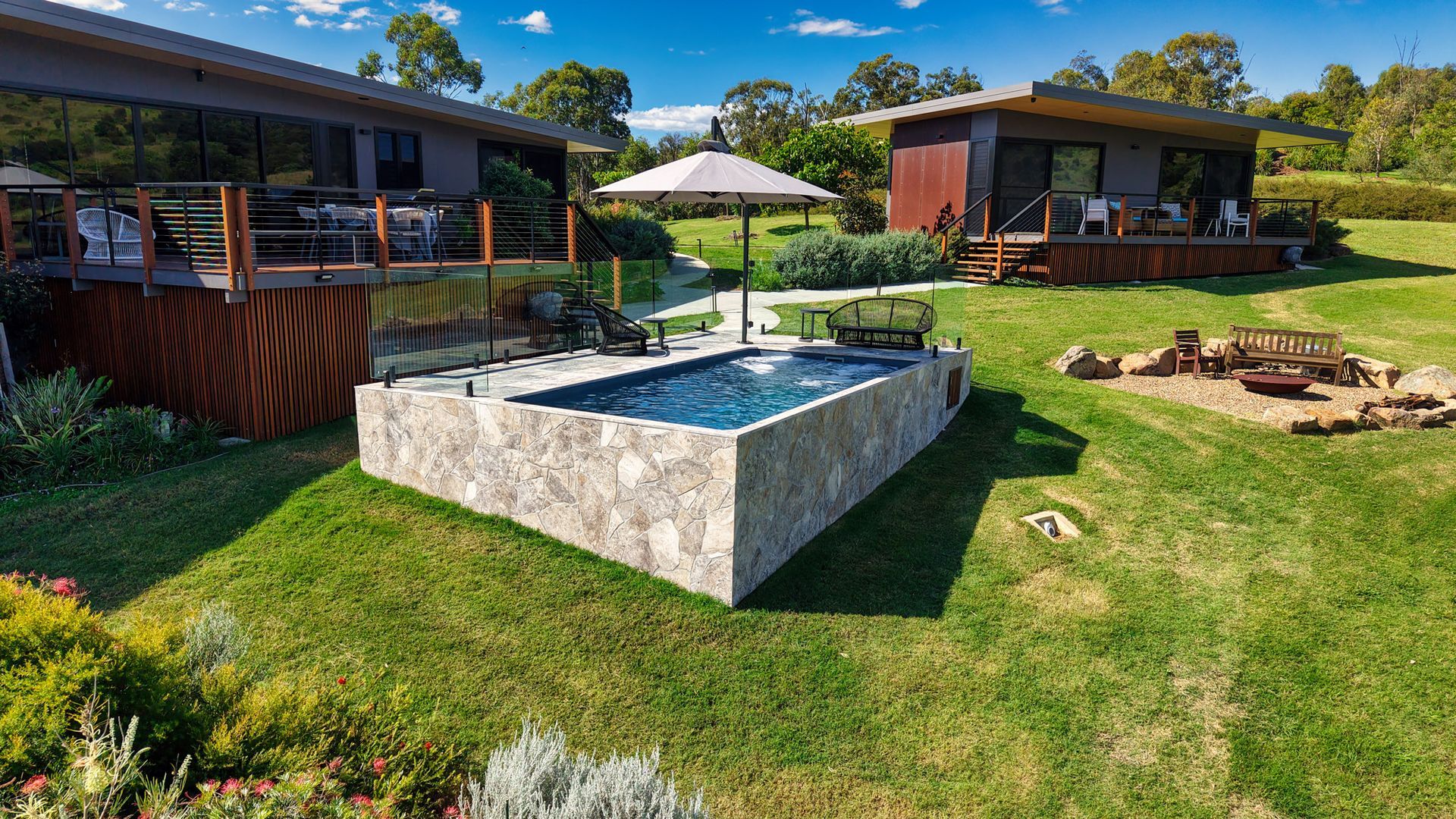
Discover the largest precast plunge pool on the market. The 6x3m Max by Gold Coast Plunge Pools is ideal for spacious backyards across South East Queensland.
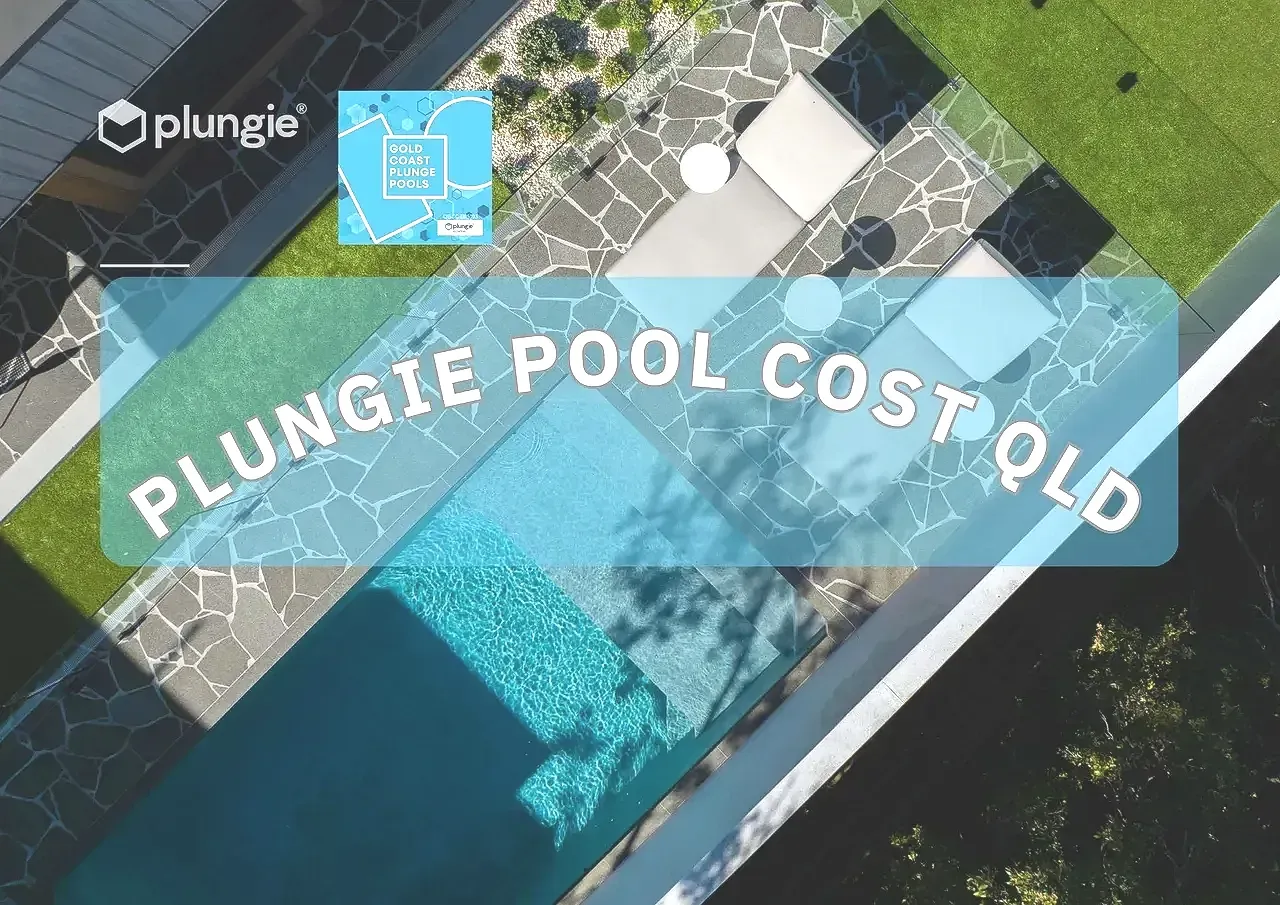
Discover the 2025 cost of plunge pools in Queensland, including pricing for pre-cast concrete options, installation factors, and what affects overall value.